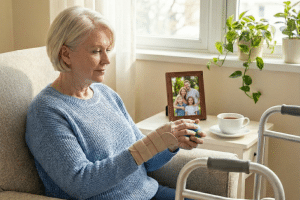
 Recovering from a stroke is often portrayed as a straightforward journey of physical rehabilitation and medical care. However, the reality is far more complex and nuanced. Many survivors find themselves navigating a labyrinth of emotional, cognitive, and social challenges that are rarely discussed openly. This article aims to shed light on the unspoken truths of life after a stroke, providing insights and strategies that can empower survivors and their loved ones on this challenging journey.
Understanding the Impact of Stroke
The Nature of Stroke
A stroke occurs when blood flow to a part of the brain is interrupted, leading to brain damage. This sudden event can result in a wide range of physical and cognitive impairments, depending on the area of the brain affected. Unlike chronic illnesses, strokes are acute incidents that can leave survivors grappling with immediate and long-term consequences.
The Immediate Aftermath
In the days and weeks following a stroke, the focus is often on medical stabilization and physical recovery. Survivors may undergo various therapies, including physical, occupational, and speech therapy. While these interventions are crucial, they often overshadow the emotional and psychological aspects of recovery that are equally important.
The Hidden Challenges
Many survivors face “invisible” challenges that are not immediately apparent. These can include cognitive difficulties such as memory loss, trouble concentrating, and processing information. Emotional struggles like anxiety, depression, and mood swings are also common but often go unaddressed. Understanding these hidden challenges is essential for both survivors and their support networks.
The Emotional Rollercoaster of Recovery
Acknowledging Emotional Turmoil
The emotional landscape after a stroke can be tumultuous. Survivors may experience a range of feelings, from frustration and sadness to anger and fear. It’s crucial to acknowledge these emotions as valid responses to a life-altering event. Allowing oneself to grieve the loss of the pre-stroke self is an essential step in the healing process.
The Importance of Support
Having a strong support system can make a significant difference in emotional recovery. Friends, family, and support groups can provide a safe space for survivors to express their feelings and share their experiences. Connecting with others who understand the journey can alleviate feelings of isolation and loneliness.
Strategies for Emotional Well-being
-
- Mindfulness and Meditation: Practicing mindfulness can help survivors stay grounded and manage anxiety.
- Journaling: Writing about feelings and experiences can provide an outlet for emotions and help track progress.
- Professional Help: Seeking therapy or counseling can offer valuable tools for coping with emotional challenges.
Cognitive Rehabilitation: More Than Just Physical Recovery
The Role of Neuroplasticity
Neuroplasticity refers to the brain’s ability to reorganize itself by forming new neural connections. This remarkable capacity is crucial for stroke recovery, as it allows survivors to relearn skills and adapt to changes. Understanding neuroplasticity can instill hope and motivate individuals to engage actively in their rehabilitation.
Cognitive Challenges Post-Stroke
Survivors may encounter various cognitive difficulties, including:
-
- Memory Issues: Short-term memory loss is common, making it challenging to retain new information.
- Attention Deficits: Difficulty concentrating can hinder the ability to engage in conversations or complete tasks.
- Language Barriers: Aphasia, or difficulty with language, can affect communication skills, leading to frustration.
Techniques for Cognitive Improvement
-
- Cognitive Exercises: Engaging in puzzles, memory games, and other brain-training activities can stimulate cognitive function.
- Routine Establishment: Creating structured daily routines can help manage cognitive challenges and improve memory.
- Communication Strategies: Using visual aids and simplifying language can enhance understanding and reduce frustration during conversations.
Navigating Relationships After Stroke
Changes in Dynamics
A stroke can alter the dynamics of relationships, both with family and friends. Survivors may find that some relationships strengthen, while others may falter. Understanding these shifts is essential for rebuilding connections and fostering supportive environments.
Communicating Needs
Survivors should feel empowered to communicate their needs and boundaries. This includes expressing when they require assistance or when they need space. Open dialogue can help loved ones understand the survivor’s experience and provide appropriate support.
Building New Connections
-
- Support Groups: Joining stroke support groups can connect survivors with others who share similar experiences.
- Community Engagement: Participating in community activities can foster new friendships and reduce feelings of isolation.
- Family Involvement: Encouraging family members to learn about stroke recovery can enhance understanding and support.
The Importance of Self-Care
Prioritizing Well-being
Self-care is often overlooked in the recovery process, yet it is vital for both physical and emotional health. Survivors should prioritize activities that promote well-being, such as exercise, nutrition, and relaxation.
Setting Realistic Goals
Setting achievable goals can provide a sense of purpose and accomplishment. These goals should be specific, measurable, and tailored to the individual’s abilities and needs.
Self-Care Strategies
-
- Physical Activity: Engaging in regular, gentle exercise can improve physical health and boost mood.
- Healthy Eating: A balanced diet can support overall health and recovery.
- Rest and Relaxation: Allowing time for rest is essential, as fatigue is a common issue post-stroke.
The Role of Caregivers
Understanding Caregiver Challenges
Caregivers play a crucial role in the recovery process, often facing their own set of challenges. They may experience emotional strain, physical exhaustion, and feelings of helplessness. Recognizing these challenges is essential for maintaining a healthy caregiver-survivor relationship.
Supporting the Caregiver
-
- Encouraging Breaks: Caregivers should be encouraged to take breaks and prioritize their own well-being.
- Accessing Resources: Providing caregivers with information about support services can help them feel more equipped to manage their responsibilities.
- Open Communication: Maintaining open lines of communication between caregivers and survivors can foster understanding and collaboration.
The Journey of Acceptance
Embracing the New Normal
Acceptance is a critical component of recovery. Survivors must come to terms with the changes in their lives and learn to embrace their new normal. This process can take time and may involve a range of emotions.
Finding Meaning in the Experience
Many survivors find that their stroke experience leads to personal growth and a renewed sense of purpose. Reflecting on the journey can help individuals identify what truly matters to them and inspire them to pursue new goals.
Strategies for Acceptance
-
- Gratitude Practice: Focusing on what one is grateful for can shift perspective and foster positivity.
- Mindfulness Techniques: Practicing mindfulness can help individuals stay present and reduce anxiety about the future.
- Engaging in Hobbies: Pursuing interests and hobbies can provide joy and a sense of accomplishment.
The Importance of Education
Understanding Stroke and Recovery
Education is a powerful tool for survivors and their families. Learning about stroke, its effects, and the recovery process can empower individuals to take an active role in their rehabilitation.
Resources for Learning
-
- Books and Articles: Reading about stroke recovery can provide valuable insights and strategies.
- Online Courses: Many organizations offer online courses focused on stroke education and recovery techniques.
- Workshops and Seminars: Attending workshops can provide opportunities for learning and networking with others in similar situations.
Seeking Professional Help
The Role of Healthcare Providers
Healthcare providers play a vital role in the recovery process. Regular check-ins with medical professionals can help monitor progress, address concerns, and adjust treatment plans as needed.
Types of Professionals to Consider
-
- Care Coaching: A coach to help you every step of the way with your recovery
- Physical Therapists: These specialists can help improve mobility and strength.
- Occupational Therapists: They focus on helping survivors regain independence in daily activities.
- Speech Therapists: These professionals assist with communication and swallowing difficulties.
Advocating for Yourself
Survivors should feel empowered to advocate for their needs and preferences in their recovery journey. This includes asking questions, seeking second opinions, and actively participating in treatment decisions.
The Power of Hope
Cultivating a Positive Mindset
Hope is a powerful motivator in the recovery process. Cultivating a positive mindset can help survivors navigate the challenges they face and inspire them to keep pushing forward.
Strategies for Fostering Hope
-
- Visualizing Success: Imagining positive outcomes can reinforce motivation and determination.
- Celebrating Small Wins: Acknowledging and celebrating progress, no matter how small, can boost morale.
- Connecting with Inspirational Stories: Reading or hearing about other survivors’ journeys can provide encouragement and hope.
Life after a stroke is a multifaceted journey filled with challenges and triumphs. By understanding the unspoken truths of recovery, survivors and their loved ones can navigate this path with greater awareness and resilience. Embracing the journey, seeking support, and fostering hope can lead to a fulfilling life beyond stroke. Remember, recovery is not just about regaining what was lost; it’s about discovering new strengths and possibilities along the way.
Kamili Kelly Provides Care Coaching for Stroke Survivors
She provides care coaching services, mentoring, meditation, dance & movement, and community support circles. She also offers online support and education for stroke survivors and their families to help them thrive beyond recovery.
> Learn More
Contact Kamili (786-416-0369) For a Free Consultation!
—